
Explore our diverse research areas, groundbreaking studies and remarkable medical research achievements
A collaborative study by Prof. Tao Cheng, Prof. Hui Cheng, Prof. Erlie Jiang from the Institute of Hematology & Blood Diseases Hospital, Chinese Academy of Medical Sciences & Peking Union Medical College, and Prof. Zeping Hu from Tsinghua University, published in Blood, establishes the first comprehensive metabolic atlas of human bone marrow hematopoiesis and identifies L-carnitine-driven fatty acid oxidation as a critical regulator of hematopoietic stem and progenitor cell regeneration through the PPARA-TFEB signaling axis.
Hematopoietic stem cells (HSCs), defined by their capacity for self-renewal and multipotency, are the foundation of life-long blood production and hold tremendous potential for stem cell-based therapies. Cellular metabolism critically influences HSC fate decisions, making metabolic intervention a promising strategy to enhance stem cell function for clinical applications such as bone marrow transplantation. However, direct metabolic profiling of human HSCs has been severely limited by their extreme rarity in the bone marrow and the technical constraints of conventional analytical methods, leaving the metabolic landscape of human hematopoiesis largely uncharted.
To overcome these barriers, the research team applied a low-input mass spectrometry-based metabolomics platform, optimized for rare cell populations, to generate metabolic profiles of 13 immunophenotypically defined hematopoietic cell types from healthy adult human bone marrow. Using as few as approximately 10,000 cells per sample, they detected over 80 metabolites and uncovered both conserved metabolic programs in primitive hematopoietic stem and progenitor cells (HSPCs) and lineage-specific metabolic specializations.
Among their key discoveries, the researchers identified L-carnitine-driven fatty acid oxidation (FAO) as a defining metabolic feature of human HSPCs. L-carnitine functions as an essential carrier that transports long-chain fatty acids into mitochondria for β-oxidation, and the study revealed that acetylcarnitine—a downstream product of FAO—was significantly elevated in HSPCs compared to mature blood cells. Functional experiments demonstrated that disrupting L-carnitine uptake by knocking down its transporter OCTN2 severely impaired HSPC expansion, colony-forming ability, and nearly abolished their long-term engraftment capacity in vivo. Conversely, exogenous L-carnitine supplementation significantly enhanced HSPC regenerative function.
Mechanistically, the study elucidated a novel regulatory axis: L-carnitine enters cells via OCTN2, drives FAO, and activates the nuclear receptor PPARA. PPARA then binds directly to the promoter of TFEB—a master regulator of lysosomal biogenesis and autophagy—to activate its transcription. This PPARA-TFEB axis maintains lysosomal autophagy and mitochondrial quality control, preserving the metabolic fitness and regenerative capacity of HSPCs. When L-carnitine is deficient, the PPARA-TFEB axis is suppressed, leading to impaired autophagy, reduced mitochondrial mass, and energy metabolic dysfunction that ultimately compromises HSPC regeneration.
Importantly, the researchers extended their findings to a clinically relevant disease setting. HSPCs from patients with aplastic anemia (AA)—a bone marrow failure disorder—exhibited abnormalities in FAO and autophagy. Remarkably, L-carnitine treatment effectively restored metabolic integrity and improved both colony-forming and in vivo reconstitution capacity of AA patient-derived HSPCs.
These findings not only provide a foundational framework for understanding human hematopoietic metabolism but also identify a targetable metabolic circuit with direct therapeutic implications. Given L-carnitine's established safety profile and existing clinical use, this study raises the possibility of repurposing it to enhance hematopoietic stem cell transplant outcomes and support hematopoietic recovery in disorders such as aplastic anemia.
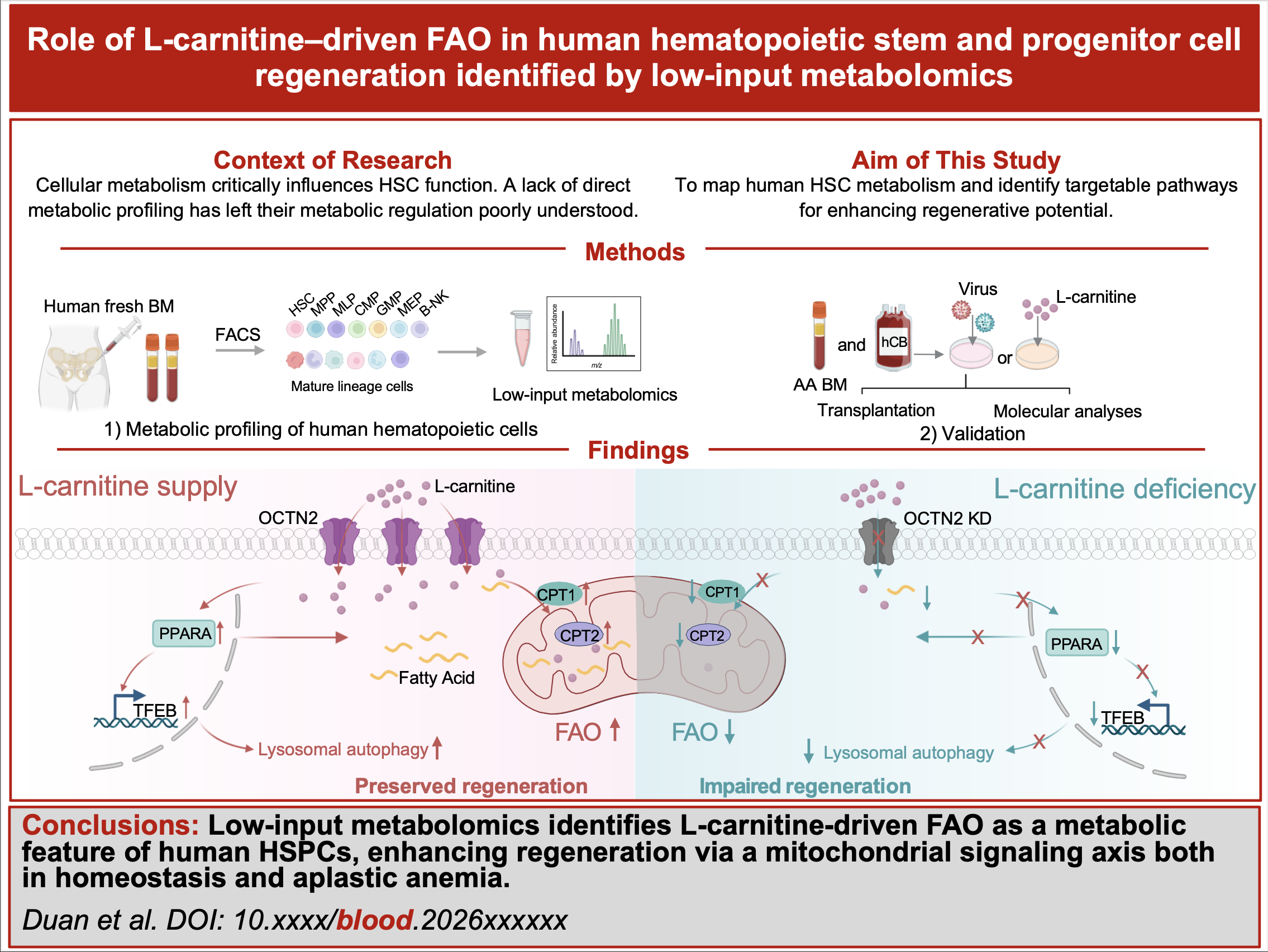
Figure 1. Study workflow and molecular mechanism schematic.
This study was supported by the National Key Research and Development Program of China (2021YFA1100900, 2025YFA1804701), the National Natural Science Foundation of China (82525002, 92468206, 92357308, 32150024, 92368202, and 82400144), the Chinese Academy of Medical Sciences Initiative for Innovative Medicine (2025-I2M-GCC-005, 2025-I2M-XHZY-040, 2024-I2M-ZD-010, 2025-I2M-KJ-023, and 2023-I2M-2007), and the Tianjin Municipal Science and Technology Commission (25ZXZSSS00410). Hui Cheng, Zeping Hu, Tao Cheng, and Erlie Jiang served as co-corresponding authors. Honglin Duan, Bohong Wang, Yawei Zheng, and YanlingLv contributed equally as co-first authors.
Link: https://doi.org/10.1182/blood.2025032136

